


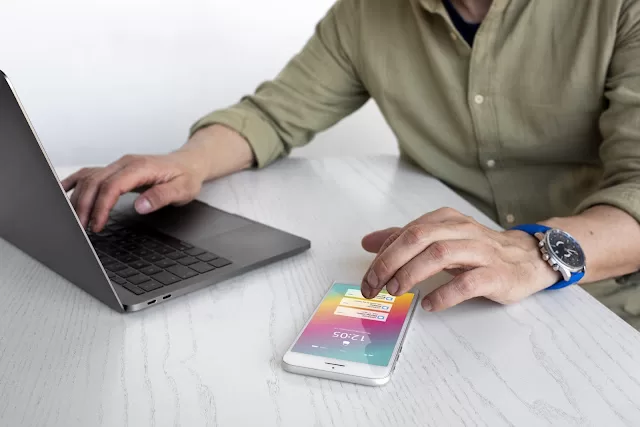
As we approach 2026, mobile-first design has become a must-have for businesses that want to stay competitive in the digital landscape. With mobile internet usage continuing to outpace desktop use, Google and other search engines have made it clear that websites optimized for mobile devices will be prioritized. This shift is not just a trend—it’s the standard that businesses must embrace to stay relevant and visible.
The Rise of Mobile-First Indexing
In 2026, mobile-first indexing is fully entrenched as the default. This means that search engines like Google now primarily use the mobile version of your site to determine rankings. Previously, desktop versions were considered the primary version for ranking. However, as more users access websites from smartphones, Google and other search engines are prioritizing mobile-friendly websites, placing them at the forefront of search engine results pages (SERPs).
Having a mobile-first website is crucial for visibility, as Google now evaluates the mobile version of your site for key SEO factors such as page speed, content structure, and user experience. Without a mobile-optimised design, your rankings and organic traffic could suffer.
Why Mobile-First Design Matters
As smartphone usage increases, more users are conducting searches, shopping, and browsing websites from their mobile devices. A mobile-first design ensures that these visitors have an optimal experience. If your website is difficult to navigate or doesn’t display properly on a smartphone, users are likely to leave, resulting in high bounce rates and a negative impact on your rankings.
Mobile-first design is about more than just resizing your desktop site for mobile. It’s about creating an entirely mobile-optimized experience that is intuitive, fast, and easy to navigate. From responsive design to fast-loading pages, every aspect of your website must be optimized for small screens to meet the needs of today’s mobile-first users.
What You Need to Do About It
To stay competitive in 2026, businesses need to adopt a mobile-first approach to web design. Here’s what you can do:
• Prioritize speed: Ensure your website loads quickly on mobile devices by optimizing images and using a content delivery network (CDN).
• Simplify navigation: Make it easy for users to find what they need with a streamlined, mobile-friendly navigation menu.
• Focus on content: Ensure that your content is easy to read on small screens, with proper font size and layout.
• Test for mobile compatibility: Use tools like Google’s Mobile-Friendly Test to make sure your website works seamlessly across all devices.
Conclusion
In 2026, mobile-first design is no longer optional—it’s essential. To maintain visibility, improve user experience, and stay ahead of competitors, businesses must prioritise mobile-optimised websites. At Antops Technologies, we specialise in Web Development Services India that ensure your website is fully mobile-friendly and optimised for SEO. As a trusted Web Development Company in India, we help businesses create websites that meet the highest standards of mobile-first design, improving user engagement and driving long-term success.
Post a comment
Related Posts

The Role of UX Design in SEO: Why User Experience and SEO Are Inseparable in 2026
As digital marketing continues to evolve, the importance of User Experience (UX) in SEO…

How Chatbots and AI are Revolutionizing Customer Service & SEO in 2026
In 2026, AI-powered technologies like chatbots are transforming not only the way businesses engage…

What a Conversion-Ready Website Looks Like in 2026
Websites are no longer digital brochures. In 2026, a website is a conversion engine…

Building a Conversion-Ready Website in 2026: Key Factors You Need to Know
In 2026, having a website is no longer enough. To succeed online, businesses need…