


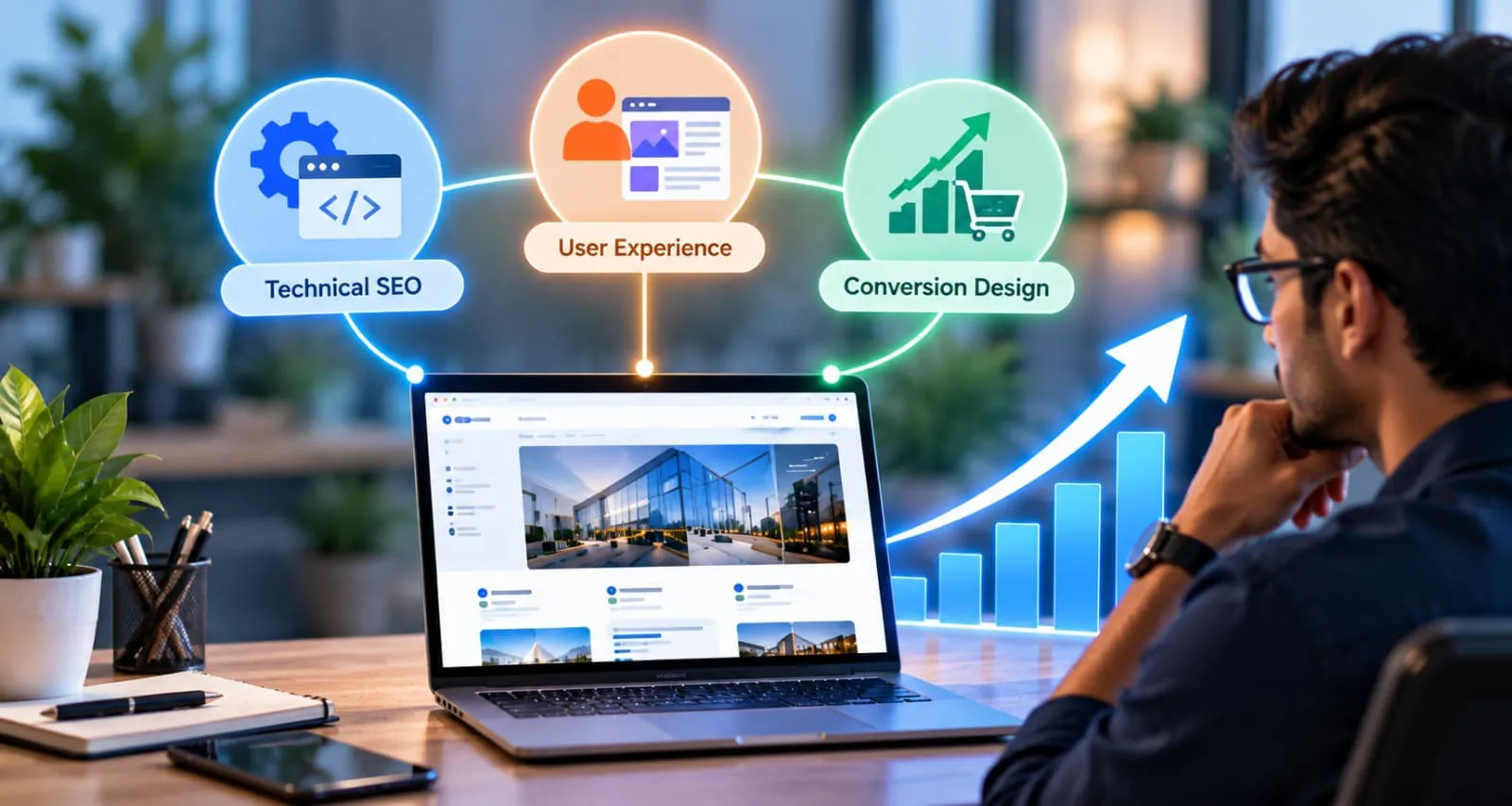
A successful website needs to do more than look professional. It needs to attract the right visitors, provide a smooth experience and encourage those visitors to take meaningful action.
This is why website growth should be approached as a combination of technical SEO, user experience and conversion-focused design. When these three areas work together, a website can become a much stronger business asset.
Start With a Strong Technical Foundation
Technical performance is the foundation of an effective website. Search engines need to crawl, understand and index pages efficiently, while visitors expect pages to load quickly and function correctly.
Important areas include page speed, mobile responsiveness, crawlability, XML sitemaps, canonical URLs, structured data, redirects and secure HTTPS implementation.
These elements may not always be visible to visitors, but they can have a significant impact on how a website performs.
Working with a professional Web Design Company India can help businesses address these technical considerations while developing or redesigning their website.
Design Around the User
Good UX begins with understanding what visitors actually want to accomplish.
A service website should make it easy to answer questions such as:
- What does this business offer?
- Is the service relevant to me?
- Why should I trust this company?
- What should I do next?
A cluttered layout, confusing navigation or excessive pop-ups can make even excellent content difficult to use.
Simple navigation, clear headings, appropriate spacing and strong visual hierarchy allow users to find information without unnecessary effort.
Connect SEO With User Intent
SEO should not be treated as a separate activity that happens after a website is designed. Search intent should influence the structure of pages from the beginning.
For example, someone searching for a specific service may need pricing information, benefits, process details, FAQs and a way to contact the provider. A page that addresses these needs comprehensively can serve both search visibility and user experience.
This approach also helps businesses move beyond simply targeting keywords and towards answering the questions behind those searches.
Turn Traffic Into Opportunities
Getting visitors to a website is only part of the journey. Conversion design focuses on what happens next.
Effective calls to action should appear naturally throughout relevant pages. Contact forms should ask for only necessary information. Phone numbers and enquiry options should be easy to locate, particularly for businesses that rely on leads.
Trust signals can also make a difference. Testimonials, reviews, credentials, case studies and transparent company information can reassure visitors before they make contact.
Measure, Improve and Repeat
A website should not be considered finished once it goes live. Analytics and user behaviour can reveal where improvements are needed.
Businesses can monitor engagement, landing page performance, conversions, page speed and search visibility to identify opportunities. Small changes to page structure, content, navigation or calls to action can sometimes make a meaningful difference.
A Unified Approach to Website Growth
The strongest websites combine technical quality with thoughtful design and clear business objectives. SEO brings relevant visitors, UX helps them navigate the website, and conversion design encourages them to take action.
Antops Technologies focuses on creating digital experiences where these elements work together. By treating website development as part of a broader growth strategy, businesses can build websites that are not only attractive but also useful, searchable and commercially effective.
Related Posts
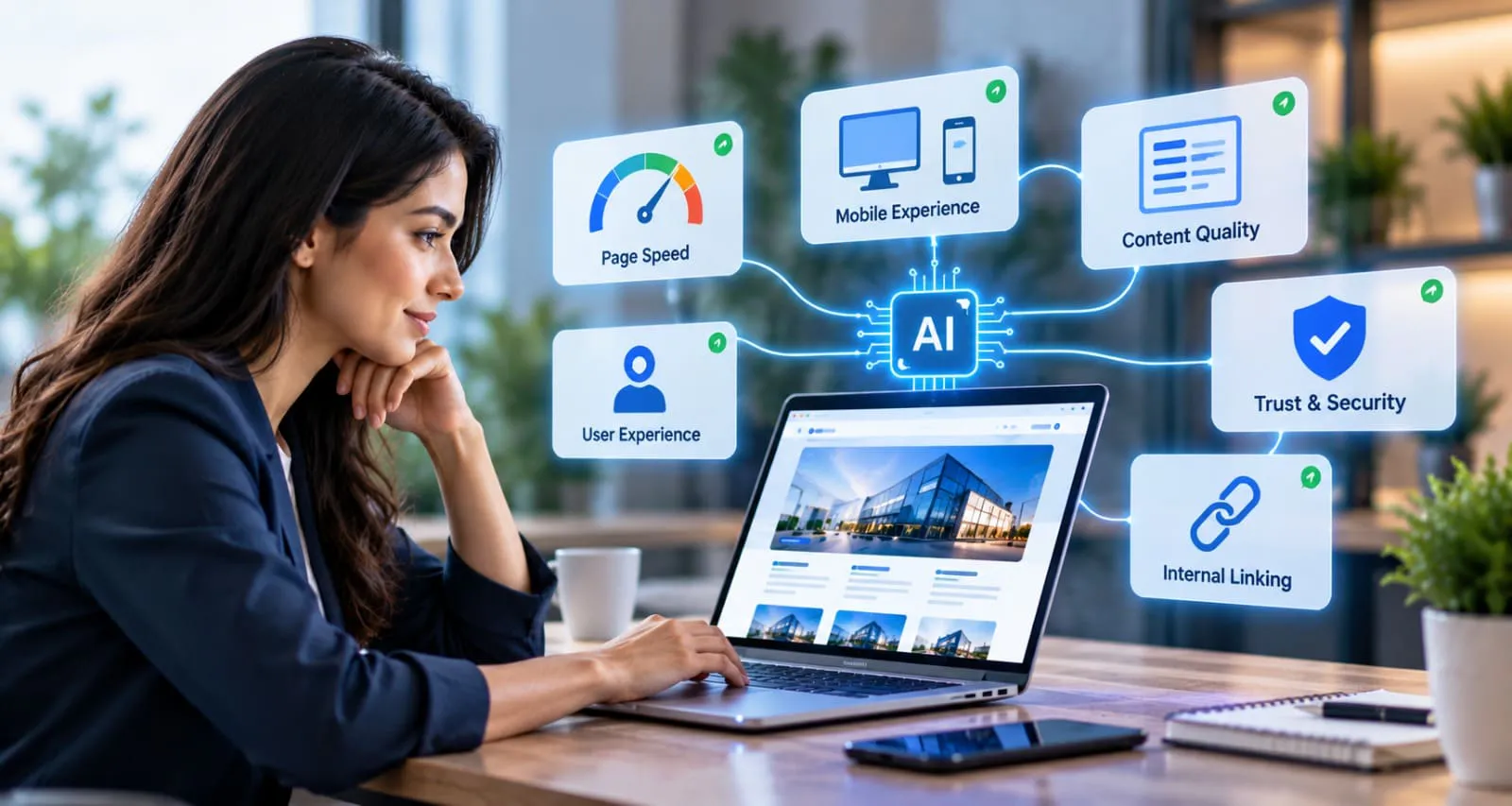
Website Experience Signals That Matter for SEO in the AI Era
Search is changing quickly. People are no longer relying only on traditional Google results…
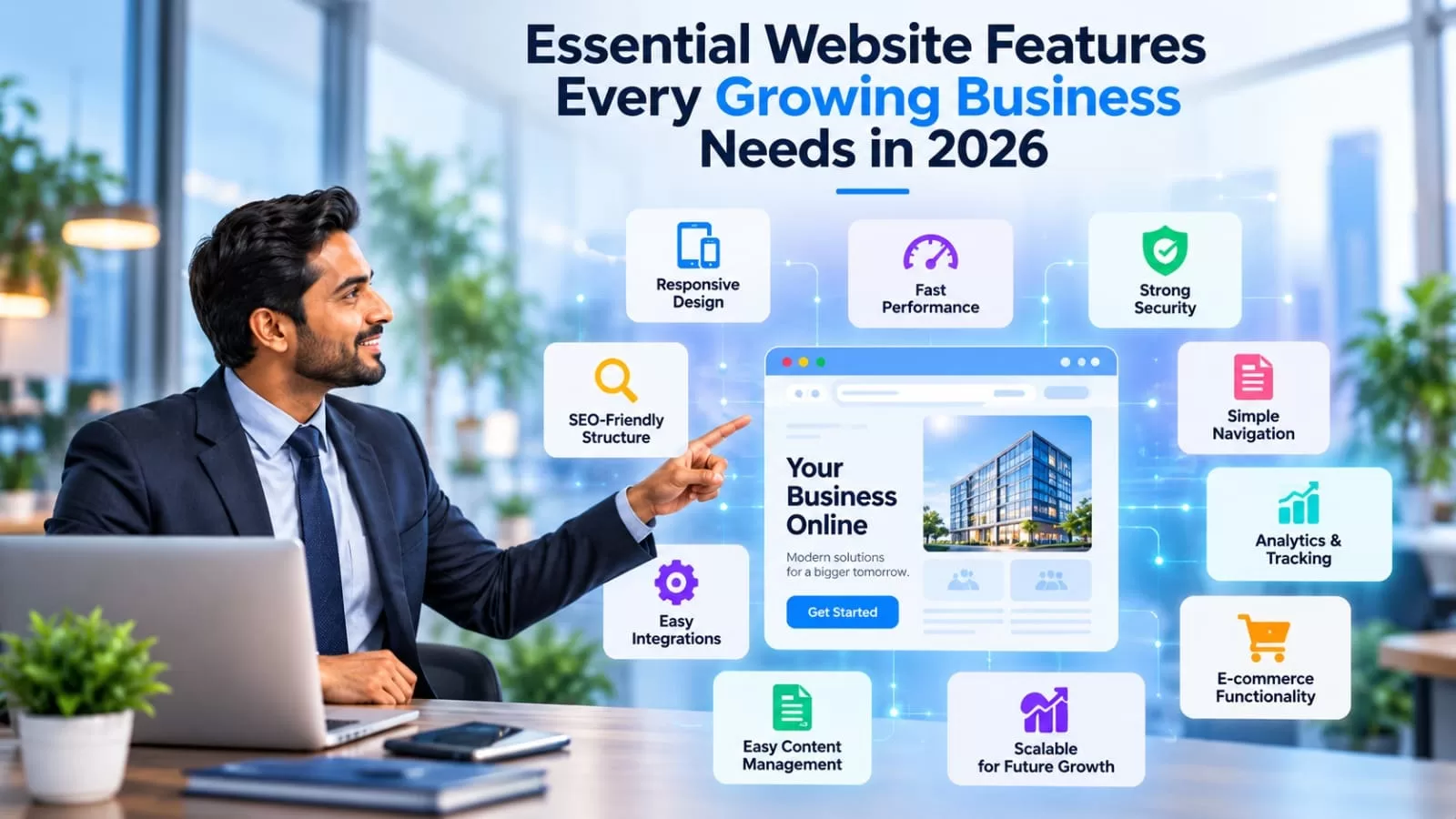
Essential Website Features Every Growing Business Needs in 2026
A growing business puts increasing pressure on its website. What may begin as a…
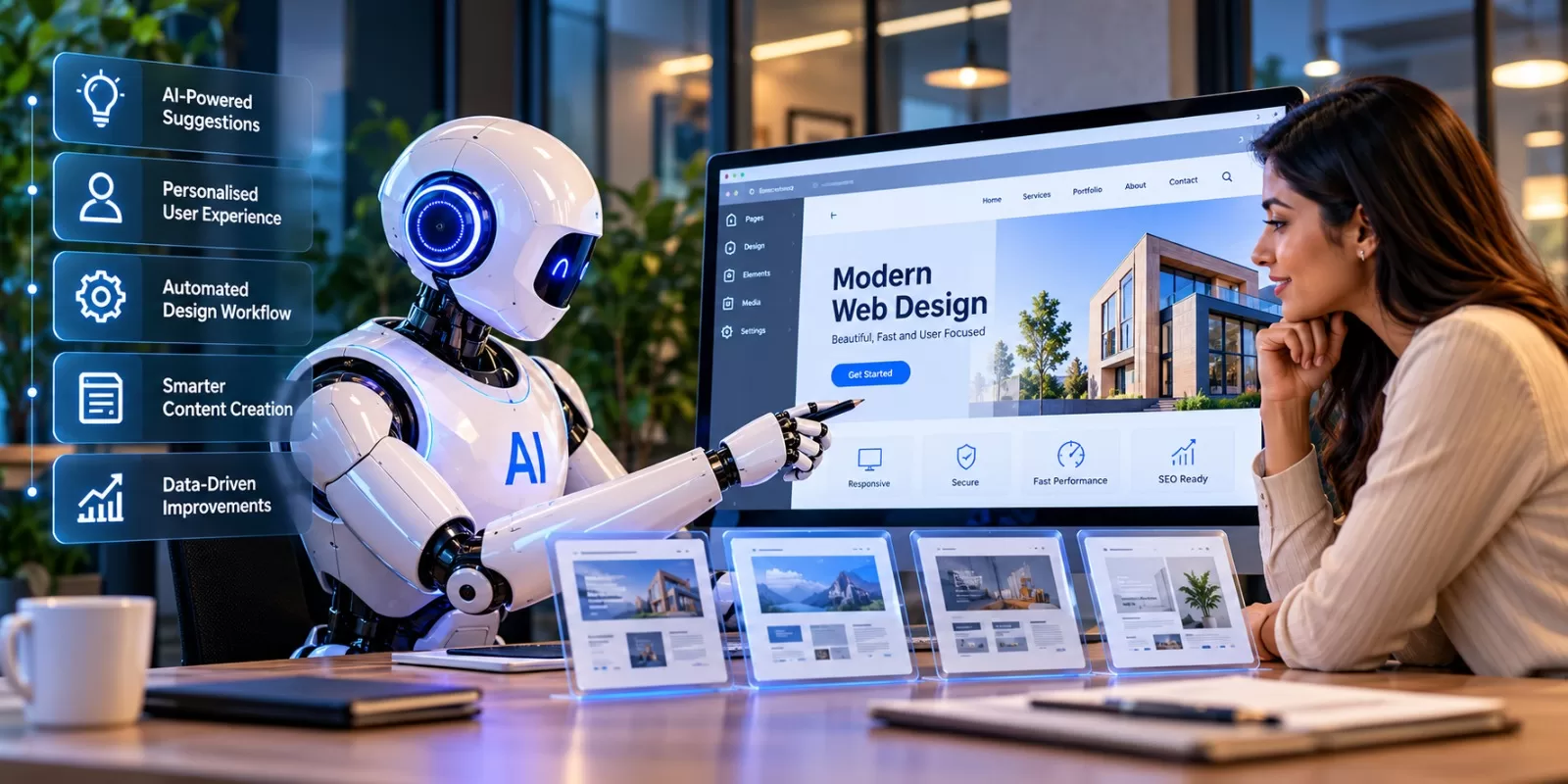
How AI and Automation Are Influencing Modern Web Design in India
Website design used to revolve mainly around colours, layouts, images and navigation. Those elements…
Affordable Web Development Services in India: Quality Solutions for Global Businesses
Building a professional website doesn’t necessarily mean choosing between quality and affordability. For businesses…