


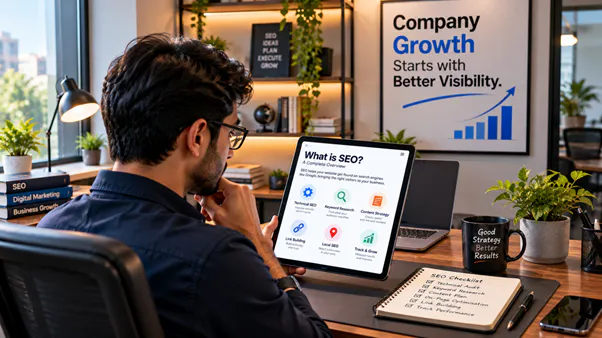
Search has changed considerably over the past few years. People are no longer relying only on traditional search results to find products, services and information. AI-generated answers, local search, voice queries and personalised results are changing how businesses are discovered online.
For businesses in 2026, SEO is therefore less about simply trying to rank for a list of keywords and more about building a website that search engines and users can understand, trust and find useful.
This guide explains what modern SEO involves and what businesses should consider when planning their search strategy.
What Does SEO Look Like in 2026?
The fundamentals of SEO still matter. A technically sound website, useful content, relevant links and a good user experience remain important.
However, the way these elements work together has evolved.
Search engines are increasingly capable of understanding context and intent. Someone searching for a product may receive shopping results, reviews, local businesses, videos and AI-generated information rather than a simple list of webpages.
Businesses need to optimise for this broader search environment.
Technical SEO Comes First
Before investing heavily in content, businesses should make sure their website is technically healthy.
Technical SEO can involve checking:
- Website speed and performance
- Mobile usability
- Crawlability and indexing
- Internal linking
- URL structure
- Redirects and broken pages
- Structured data
- Duplicate or thin content
A technically weak website can make it harder for search engines to discover and interpret valuable content.
Content Needs to Answer Real Questions
Content marketing and SEO are now closely connected.
Instead of producing articles simply because a keyword has search volume, businesses should consider what customers actually want to know.
For example, a financial services company could create content answering questions about loan eligibility, application processes, interest rates and common mistakes. Such content can attract people at different stages of the buying journey.
The strongest content doesn’t just repeat information already available everywhere. It adds experience, examples, explanations or useful insights.
AI Search Is Changing the Opportunity
AI-powered search is another major consideration in 2026.
Businesses should think about how their content can be understood and referenced by AI-driven search experiences. Clear answers, structured information, strong topical coverage, reliable sources and consistent brand information can all contribute to a stronger digital presence.
This is where traditional SEO overlaps with AEO and GEO, as businesses increasingly optimise for answer engines and generative search experiences.
Local Search Still Matters
For businesses serving specific locations, local SEO remains particularly valuable.
A customer searching for a nearby service often has strong purchase intent. Accurate business information, useful location content, customer reviews and a well-maintained online presence can help businesses compete for these searches.
Measuring the Right Things
SEO should not be judged by rankings alone.
Businesses should also monitor organic traffic, enquiries, sales, engagement, conversions and revenue generated through search. These metrics provide a clearer picture of whether SEO is contributing to actual business growth.
At Antops Technologies India, SEO Services in India are approached as an ongoing growth strategy rather than a one-time optimisation exercise. From technical improvements and content planning to local SEO and emerging AI search strategies, the focus is on building a stronger digital foundation.
In 2026, successful SEO is about being useful, technically accessible and genuinely relevant. Businesses that focus on these principles can build search visibility that lasts beyond a single algorithm update.
Related Posts

Do-Follow Business Listing Sites in the USA for Better Search Visibility
Getting a business mentioned across the web still matters, but successful off-page SEO is…
Best Do-Follow India Listing Sites for SEO and Backlinks
Introduction Building a strong online presence requires more than just creating a website and…
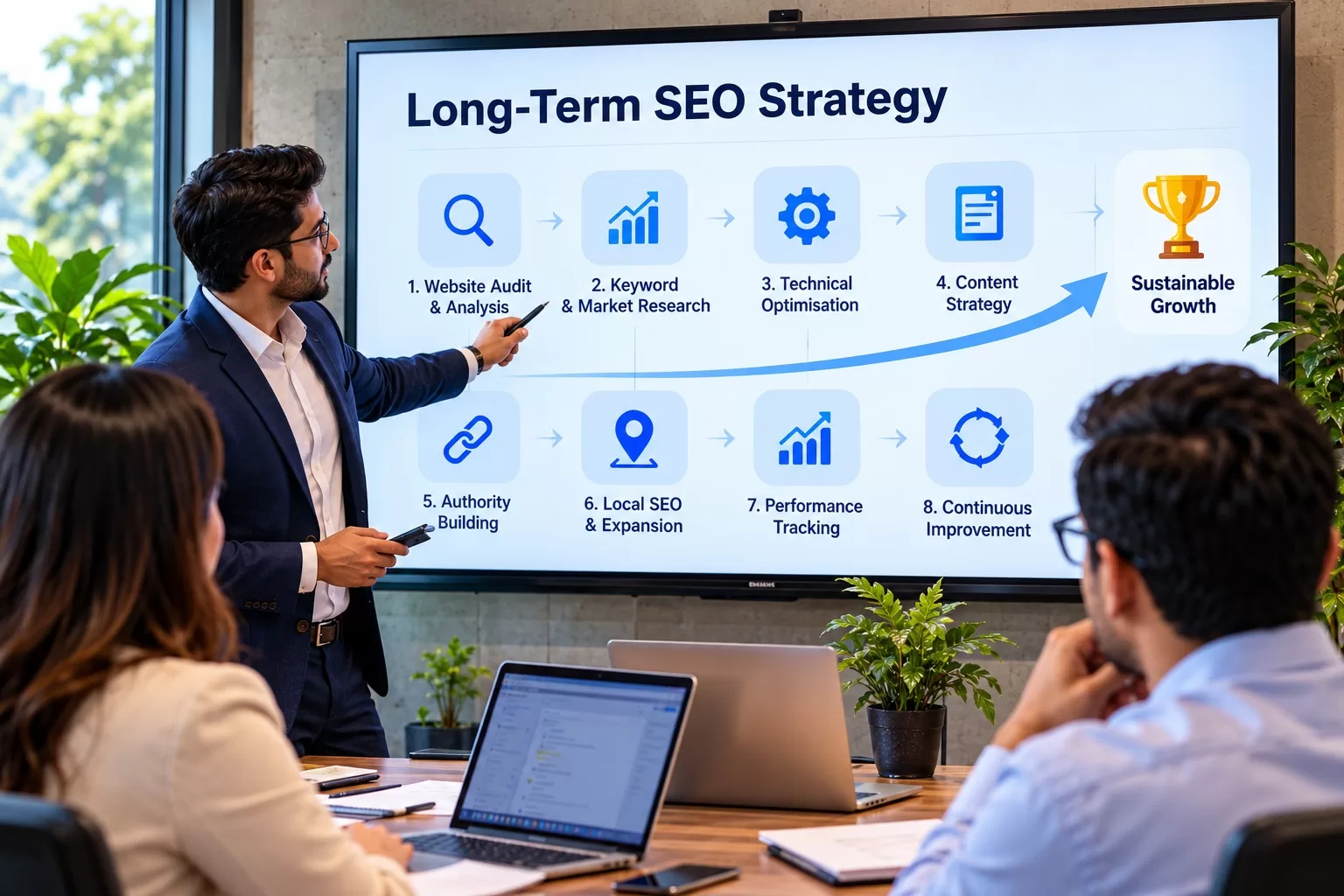
How the Best SEO Agency in India Builds a Long-Term SEO Strategy
SEO can sometimes look like a collection of individual tasks. One page needs optimisation,…
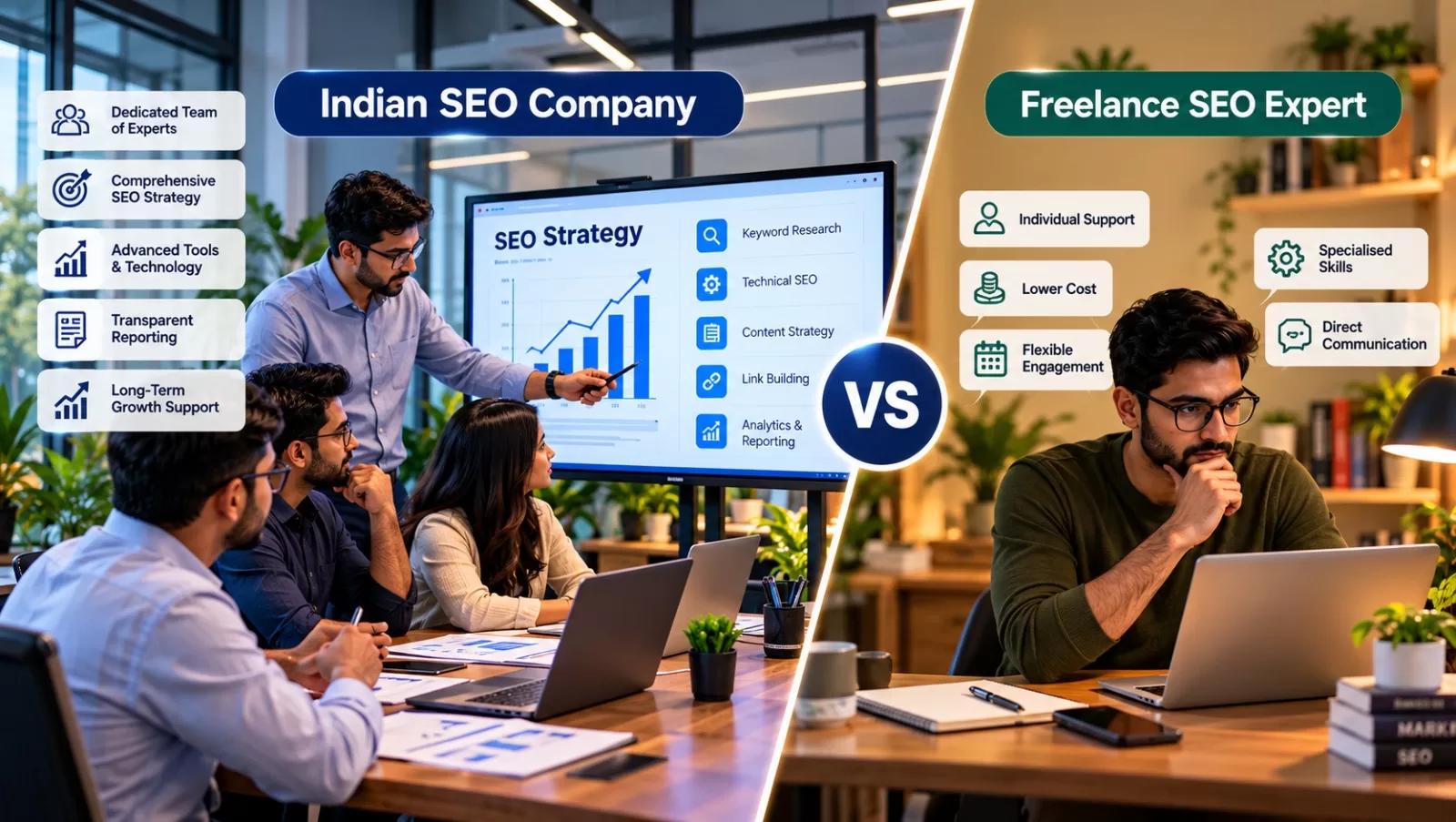
Indian SEO Company vs. Freelance SEO Expert: Which Is Better?
When a business decides to invest in SEO, one question usually appears quite quickly:…