


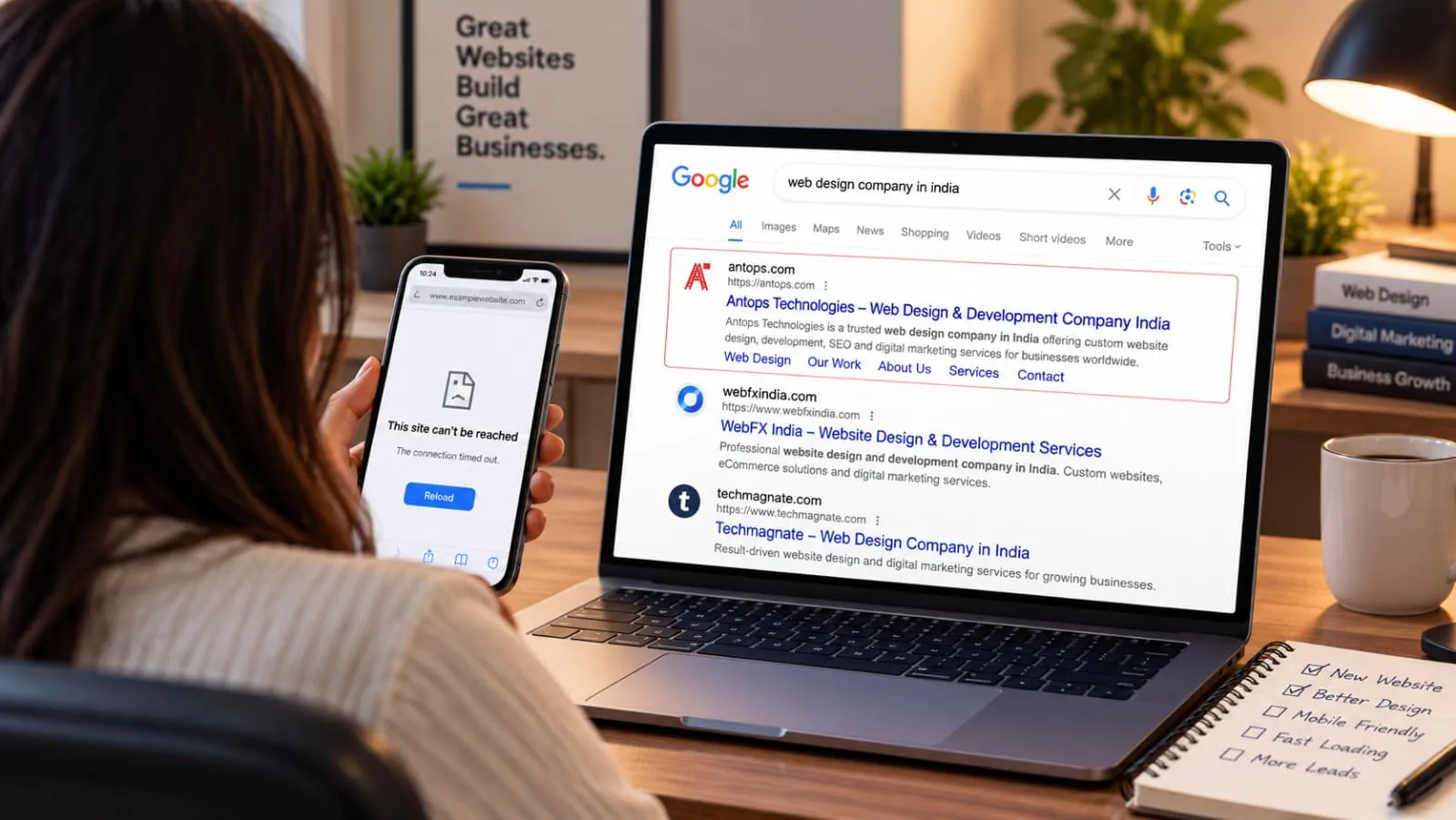
A business website used to be little more than an online brochure. Today, it can be a storefront, customer service desk, sales representative, booking system and first point of contact, all at once.
As Indian businesses become more digitally focused, expectations around websites are changing as well. Customers want information quickly, smooth navigation, mobile-friendly experiences and clear reasons to trust a brand. Businesses, meanwhile, need websites that can support marketing campaigns, generate enquiries and adapt as they grow.
For a Web Design Company in India, these changing expectations are shaping the way websites are planned and developed.
Mobile-First Experiences Are Becoming Standard
A large portion of online browsing happens on smartphones, making mobile usability a fundamental part of website design.
A mobile-friendly website is not simply a smaller version of a desktop website. Navigation, buttons, forms, images and content need to work naturally on smaller screens.
Businesses are increasingly designing websites around mobile users from the beginning rather than treating mobile optimisation as something to fix after launch.
Simplicity Is Replacing Clutter
Visitors rarely want to work hard to understand a website.
Overloaded menus, lengthy blocks of text and too many competing calls to action can make even a well-built website difficult to use. Modern design is moving towards cleaner layouts where important information is easier to identify.
This does not mean every website needs to look minimalistic. Rather, each element should have a purpose.
A service page, for example, should quickly communicate what the company does, who it serves, what makes the service relevant and what the visitor can do next.
Personalised User Journeys
Different visitors may arrive at the same website with completely different needs.
A first-time visitor might want to learn about a company, while an existing customer may be looking for support or a specific product. Businesses are therefore paying more attention to user journeys and how different audiences move through a website.
Clear categorisation, relevant recommendations and well-structured landing pages can make these journeys easier.
Speed and Performance Matter
Good design is not only about appearance.
If a website takes too long to load, visitors may leave before they interact with it. Heavy images, unnecessary scripts and poorly optimised code can all affect performance.
Website performance is therefore increasingly considered during the design and development process rather than addressed as an afterthought.
Accessibility Is Becoming More Relevant
A website should be usable by as many people as possible.
Readable typography, sufficient contrast, descriptive image text, logical navigation and accessible forms can make websites easier to use for people with different needs.
Accessibility also tends to improve the overall user experience because many of the same principles benefit all visitors.
Websites Are Becoming Marketing Platforms
Another major shift is the connection between website design and digital marketing.
A website may receive visitors through SEO, Google Ads, social media, email campaigns or content marketing. If the landing experience does not support those channels, valuable traffic can be lost.
Modern website design therefore considers conversion paths alongside aesthetics.
At Antops Technologies, website projects can be planned with broader digital goals in mind, including search visibility, content, lead generation and user experience.
What Should Businesses Prioritise?
There is no universal website design formula. A local service business may need a simple enquiry-focused website, while an e-commerce company may require sophisticated product filtering, accounts, payments and integrations.
The important question is not simply, “What does a modern website look like?”
It is, “What does our customer need from this website?”
That question can lead to better decisions around structure, technology, content and functionality.
As Indian businesses continue investing in digital channels, websites are becoming more strategic business assets. The companies that treat their websites as evolving customer experiences, rather than static online brochures, will be better positioned to adapt as customer expectations continue to change.
Related Posts
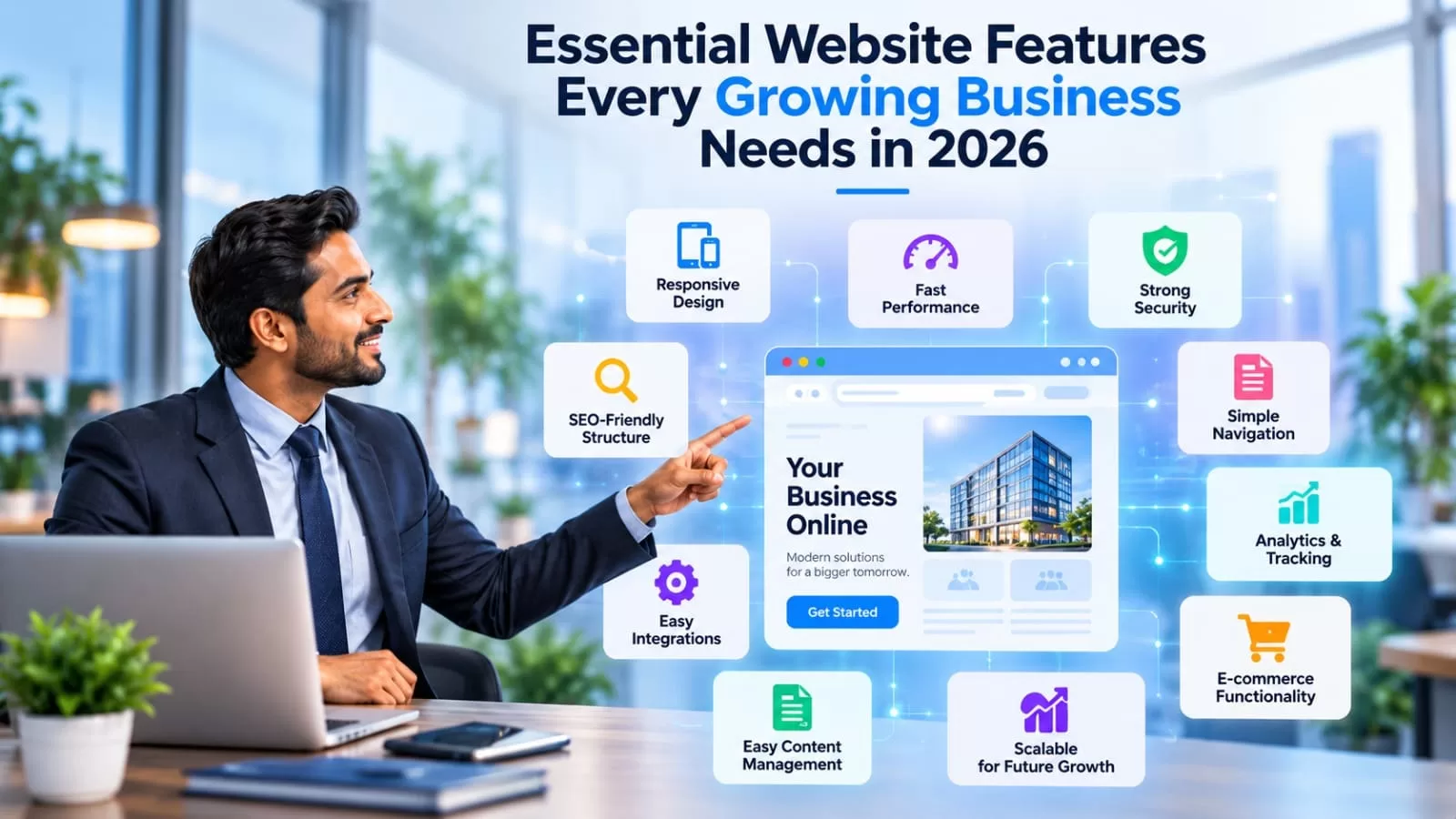
Essential Website Features Every Growing Business Needs in 2026
A growing business puts increasing pressure on its website. What may begin as a…
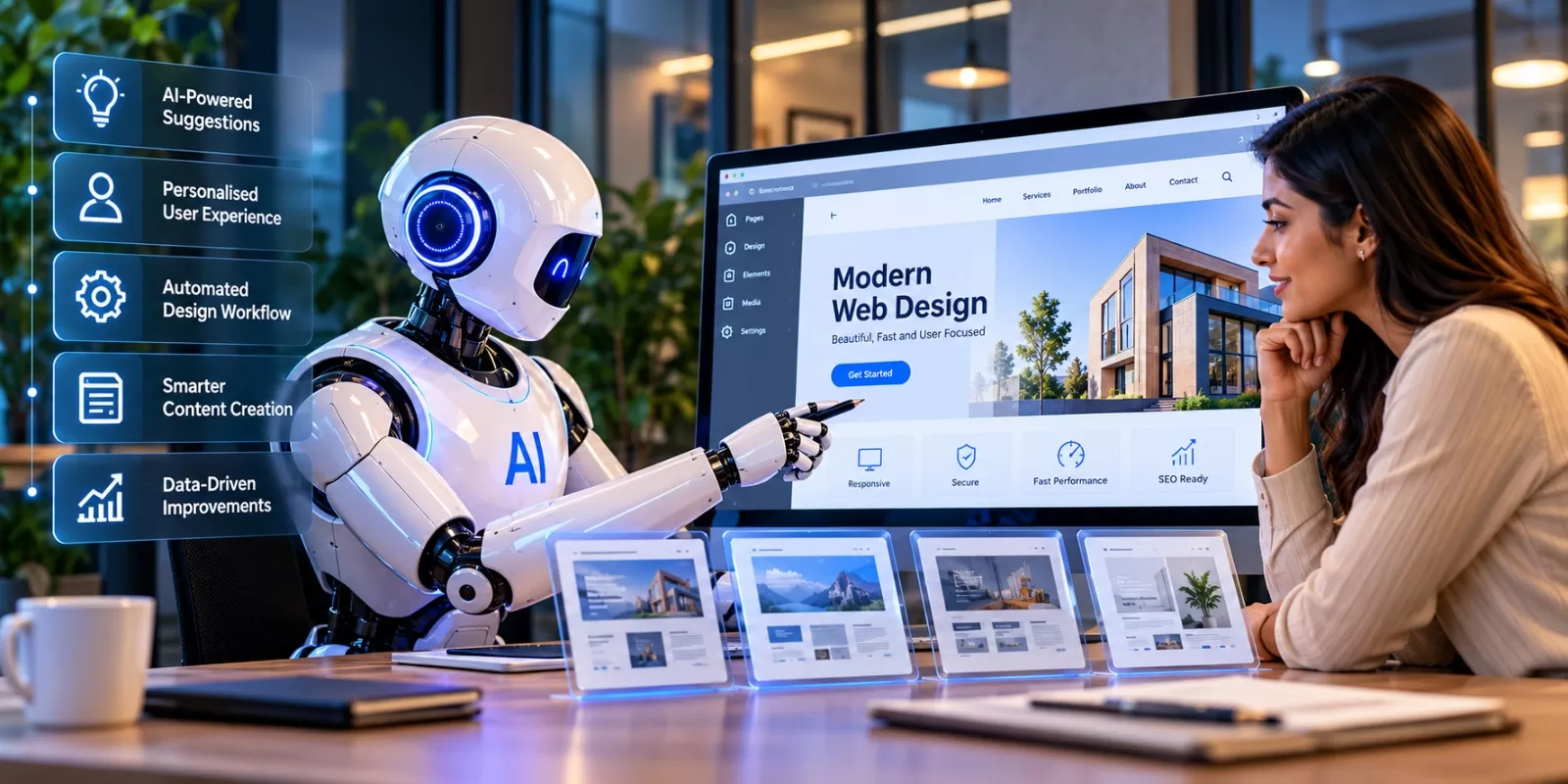
How AI and Automation Are Influencing Modern Web Design in India
Website design used to revolve mainly around colours, layouts, images and navigation. Those elements…
Affordable Web Development Services in India: Quality Solutions for Global Businesses
Building a professional website doesn’t necessarily mean choosing between quality and affordability. For businesses…
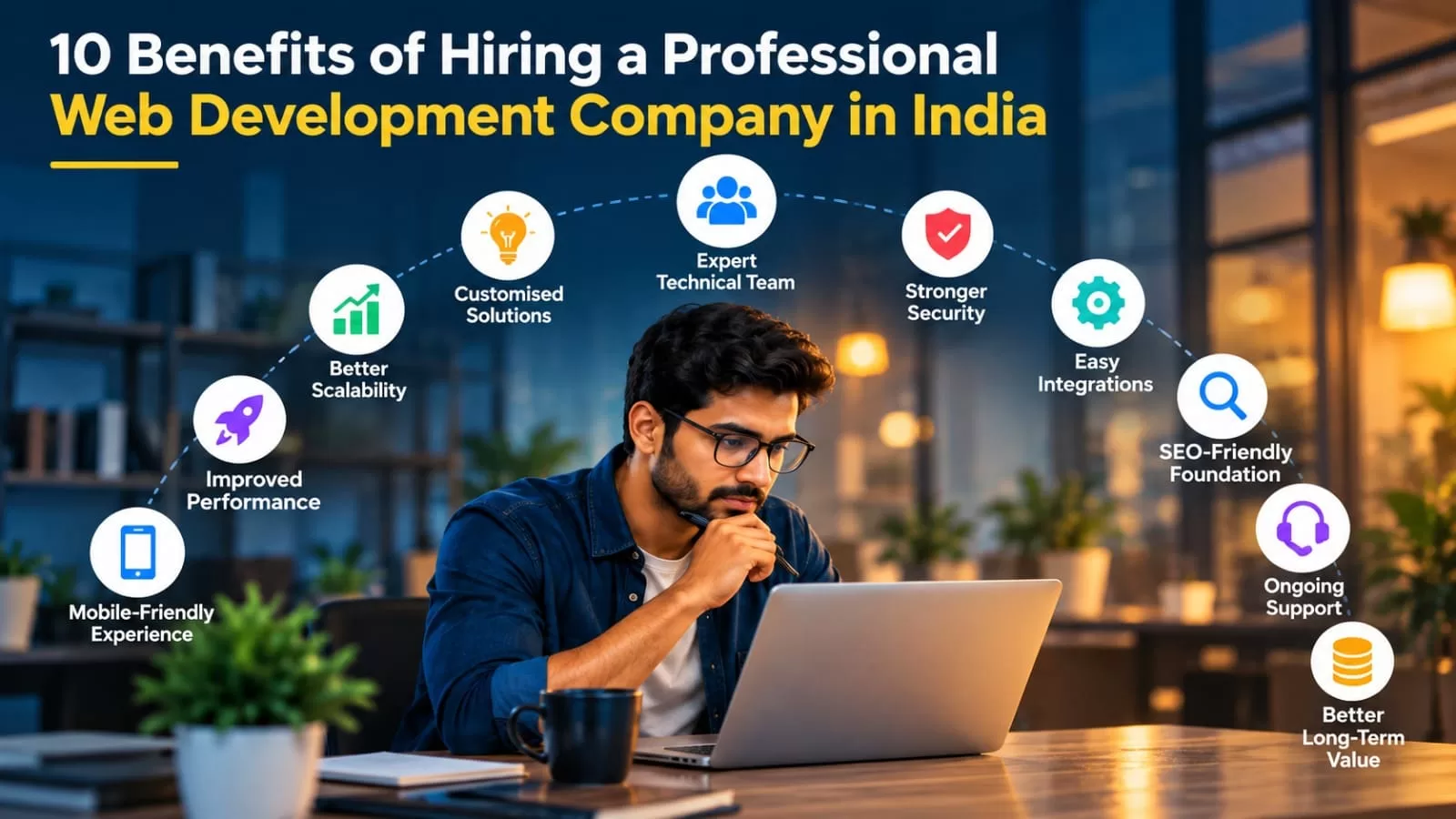
10 Benefits of Hiring a Professional Web Development Company in India
A business website needs to do more than look good. It should load quickly,…