


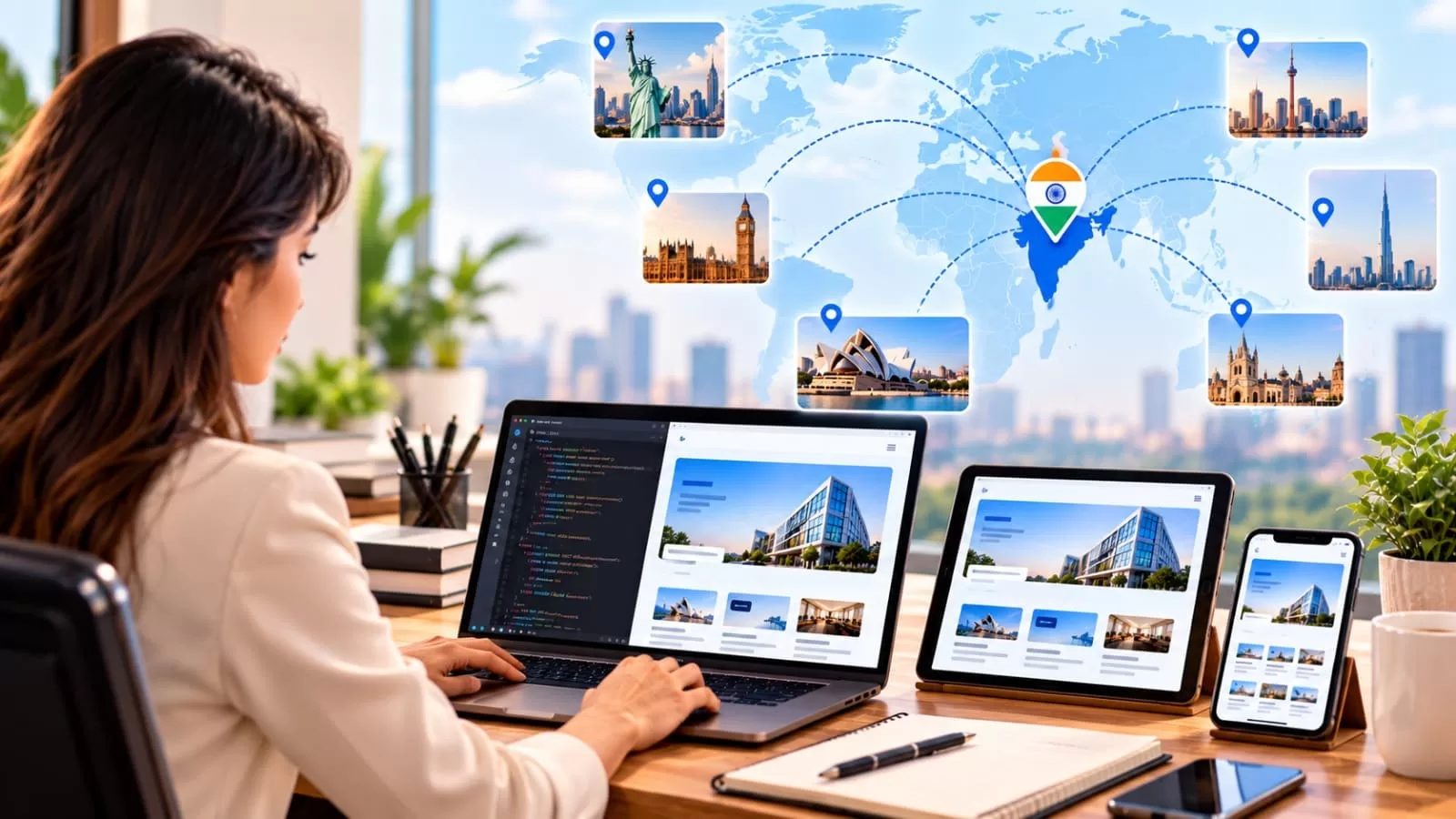
Building a professional website doesn’t necessarily mean choosing between quality and affordability.
For businesses operating internationally, India has become an increasingly attractive destination for web development because companies can access technical expertise, flexible engagement models and a wide range of development capabilities.
However, affordability alone shouldn’t be the reason for choosing a development partner.
A low-cost website that is difficult to maintain, slow to load or unable to support future growth can become considerably more expensive over time.
The better approach is to look for value: reliable development, suitable technology, strong communication and a website that can evolve with the business.
This is where Web Development Services India can provide an attractive option for global businesses.
Why Businesses Look Beyond Their Local Market
Technology allows businesses to work with development teams regardless of geographical location.
A company in Australia, the UK or the United States can collaborate with an Indian development team through video calls, project management platforms and cloud-based development environments.
This gives businesses access to a larger talent pool while allowing them to choose a team based on skills and experience rather than simply location.
Affordability Without Cutting Corners
One of India’s major advantages is its competitive technology services market.
Development costs can be more accessible than hiring an equivalent full-time team in some higher-cost markets.
But affordability should never mean removing important parts of a project.
A professional website still needs proper planning, responsive design, secure development, testing, performance optimisation and ongoing maintenance.
The best value comes from balancing project costs with long-term requirements.
Access to Different Technical Skills
Modern websites often involve more than basic HTML and CSS.
Businesses may need developers with experience in WordPress, WooCommerce, PHP, JavaScript, APIs, databases, e-commerce platforms, custom applications and third-party integrations.
Working with a development company can provide access to multiple technical skills rather than depending on one individual.
This can be particularly useful when a project becomes more complex.
Customisation for Different Business Needs
Not every business needs the same website.
A local service provider may need a simple lead-generation website. An online retailer could require product management, payment integration, inventory features and customer accounts.
A growing company might need a custom web application connected to internal systems.
Good development begins by understanding the business requirement rather than selecting technology simply because it is popular.
Mobile-Friendly Development Is Essential
Customers may first discover a company through a smartphone.
A website that looks excellent on a desktop but becomes difficult to navigate on mobile can quickly lose potential customers.
Responsive development ensures that layouts, forms, navigation and important functionality adapt to different screen sizes.
Mobile usability should be considered during development, not added as an afterthought.
Performance Should Be Part of the Build
Website speed affects user experience.
Large images, unnecessary scripts, inefficient code and poorly configured hosting can all slow down a website.
A quality development process considers performance from the beginning.
Image optimisation, efficient code, caching, suitable hosting and sensible use of third-party tools can all contribute to a faster experience.
Development and SEO Should Work Together
A website should not be built in isolation from its marketing strategy.
Search-friendly architecture, clean URLs, proper headings, crawlable content, redirects and structured information can make the website easier to optimise later.
This doesn’t mean developers need to perform every SEO task. It means development decisions should avoid creating unnecessary obstacles for future search optimisation.
Clear Communication Matters
Working across countries can raise concerns about communication.
A reliable development partner should establish clear processes for requirements, deadlines, feedback, testing and approvals.
Project management tools, regular updates and documented requirements can reduce misunderstandings.
Good communication is particularly important when the development team is working with stakeholders in different time zones.
Scalability Should Be Considered Early
A website may begin with ten pages and eventually grow to hundreds.
An online store may start with a small product range before expanding significantly.
Choosing an appropriate technical foundation makes future growth easier.
Businesses should therefore discuss future plans with developers before the project begins.
Don’t Judge a Development Partner by Price Alone
Two companies may provide dramatically different quotes for what appears to be the same website.
The difference may come from technology, functionality, testing, project management, support or the quality of the development process.
Before choosing a provider, ask:
- What is included in the project?
- Who will handle testing?
- How will security be addressed?
- Is ongoing maintenance available?
- Can the website be expanded later?
- What happens after launch?
- How will communication and approvals work?
These questions often reveal more than the headline price.
A Practical Choice for Global Businesses
India’s web development industry offers businesses access to a broad technical talent pool and flexible development models.
When the right team is selected, Web Development Services India can provide a practical combination of technical expertise, scalability and cost efficiency.
The goal, however, should never be to find the cheapest developer.
It should be to find a development partner capable of building a website that performs well today and remains useful as the business grows.
For global businesses, that difference can turn a website from a one-time expense into a long-term digital asset.
Related Posts
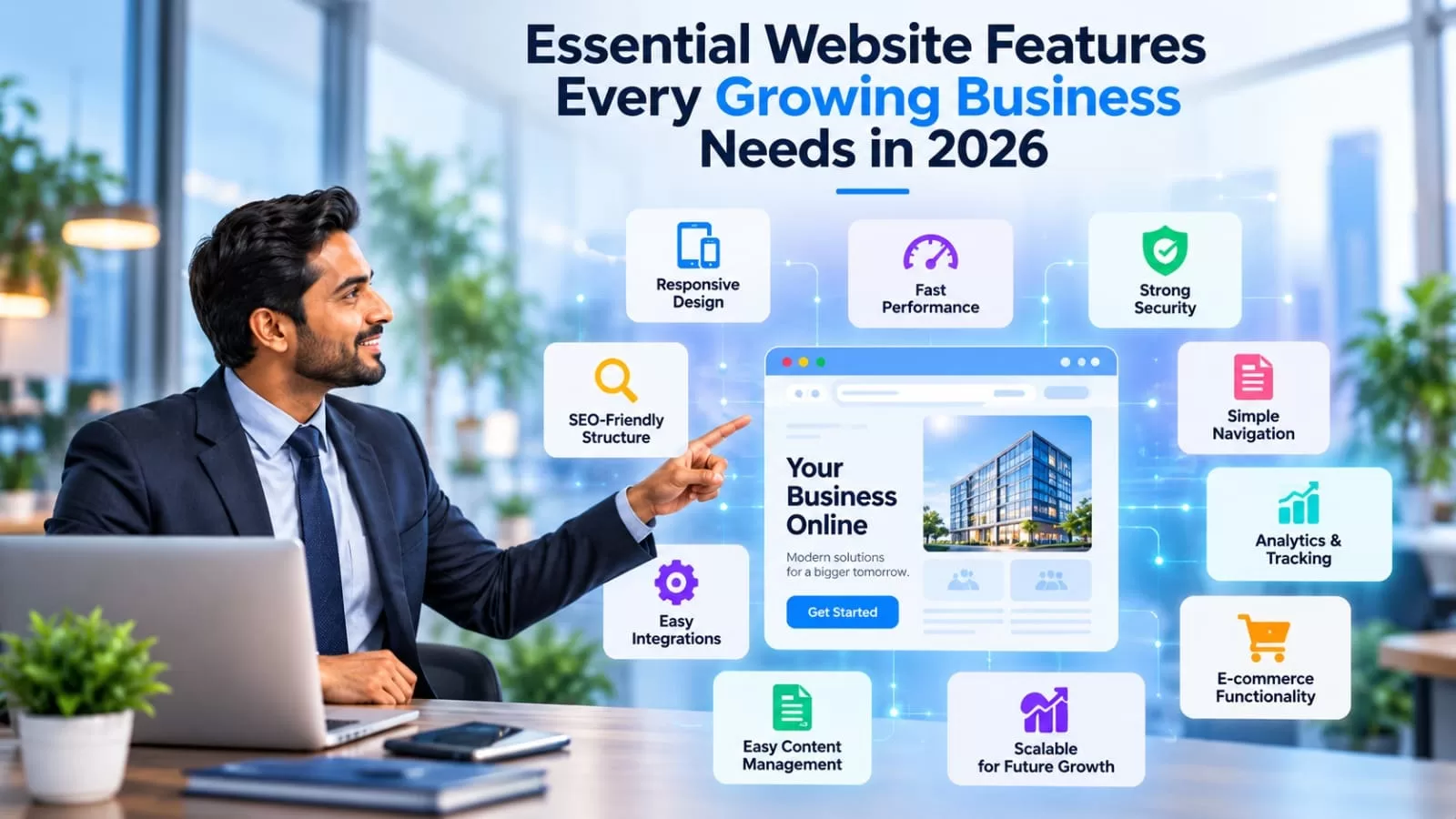
Essential Website Features Every Growing Business Needs in 2026
A growing business puts increasing pressure on its website. What may begin as a…
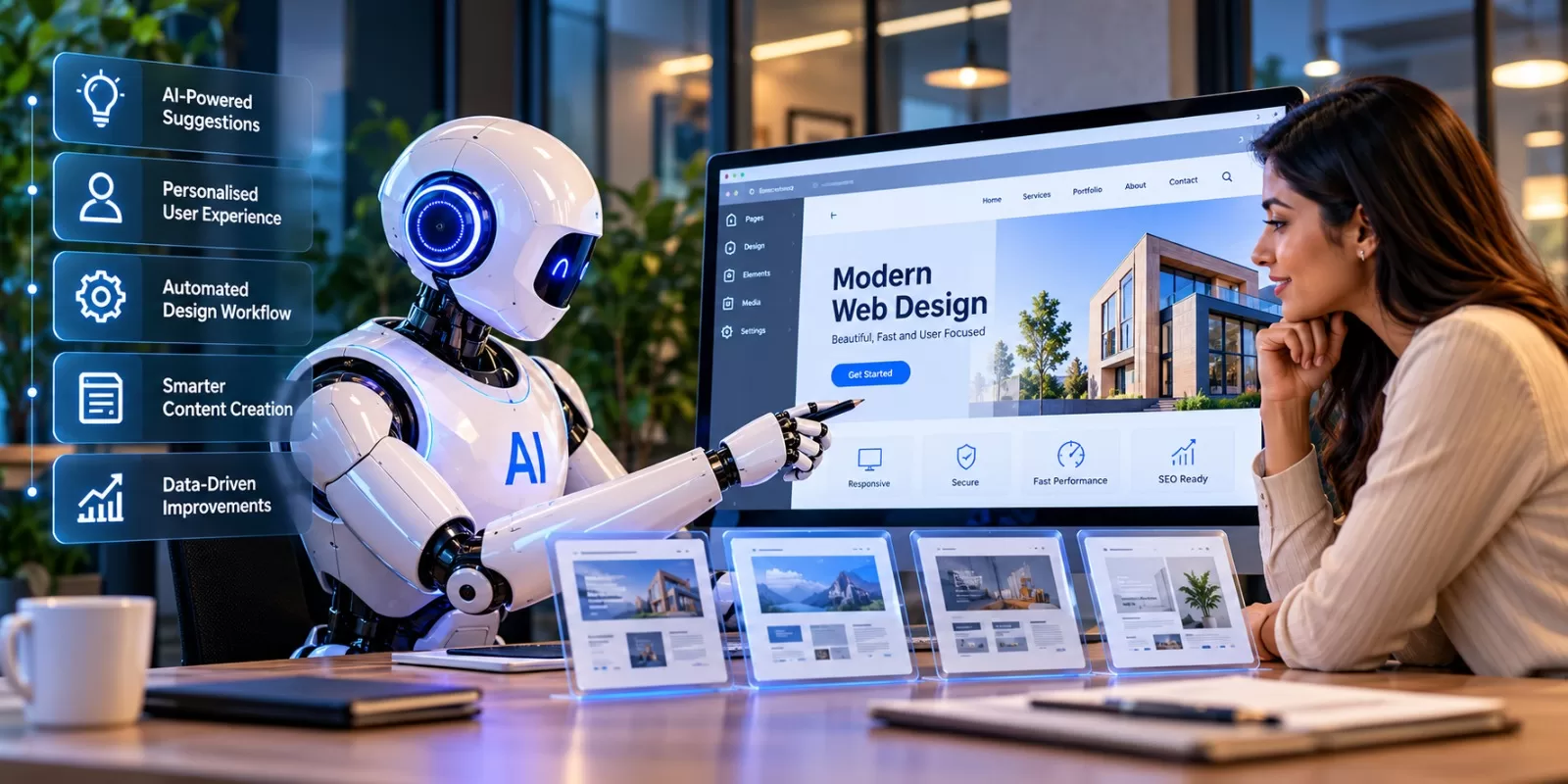
How AI and Automation Are Influencing Modern Web Design in India
Website design used to revolve mainly around colours, layouts, images and navigation. Those elements…

10 Benefits of Hiring a Professional Web Development Company in India
A business website needs to do more than look good. It should load quickly,…
Web Design Company India Shares Key Website Trends Shaping Indian Businesses
A business website used to be little more than an online brochure. Today, it…